Taylor Brooks · 16 October 2026
Heritage Revelations Spark Fresh Approaches to Waldora's Green Initiatives and Community Projects
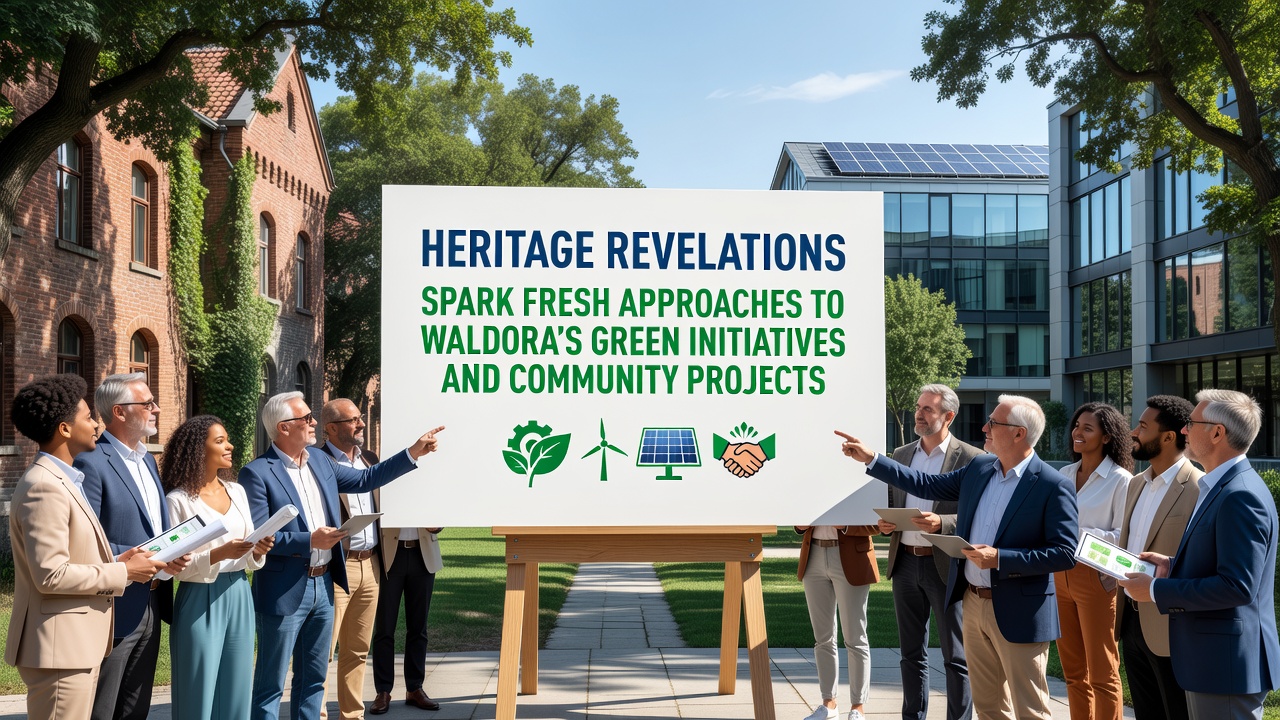
Recent findings at several Waldora heritage sites have prompted local planners to reconsider longstanding environmental strategies, and these discoveries tie directly into ongoing community efforts across the region. Archaeologists uncovered evidence of pre-industrial water management systems and crop rotation techniques dating back centuries, and those methods now inform pilot programs for sustainable agriculture that launched in early 2026.
Discovery Details and Initial Findings
Teams working at the outskirts of Waldora's central valley documented stone-lined irrigation channels that once supported dense forest cover while preventing soil erosion, and similar structures appear in records from neighboring settlements. Researchers cross-referenced these artifacts with oral histories collected from long-term residents, and the combined data set highlights how earlier populations maintained biodiversity without modern machinery. Figures from the European Environment Agency indicate comparable heritage sites elsewhere in Europe have reduced water usage by up to 30 percent when traditional techniques receive modern updates.
Community workshops held throughout summer 2026 introduced residents to these historical approaches, and participants tested scaled versions on municipal land parcels. One group adapted the ancient channel design for a neighborhood rainwater collection system, and initial measurements show improved groundwater recharge rates compared with conventional drainage.
Integration with Green Initiatives
Local authorities have begun mapping heritage zones against current renewable energy targets, and this overlap reveals opportunities to site solar arrays and wind turbines near protected cultural areas without disturbing underground features. Data compiled by the Australian Department of Climate Change, Energy, the Environment and Water demonstrates that heritage-informed site planning can lower project approval times by several months while preserving ecological corridors.
Greenhouse gas reduction programs now incorporate lessons from preserved woodlands that thrived under historical stewardship practices, and foresters report higher native species diversity in zones where selective harvesting follows patterns identified in the new studies. Observers note that these adjustments align with broader regional goals for carbon sequestration established in 2025 planning documents.
Community Project Expansions
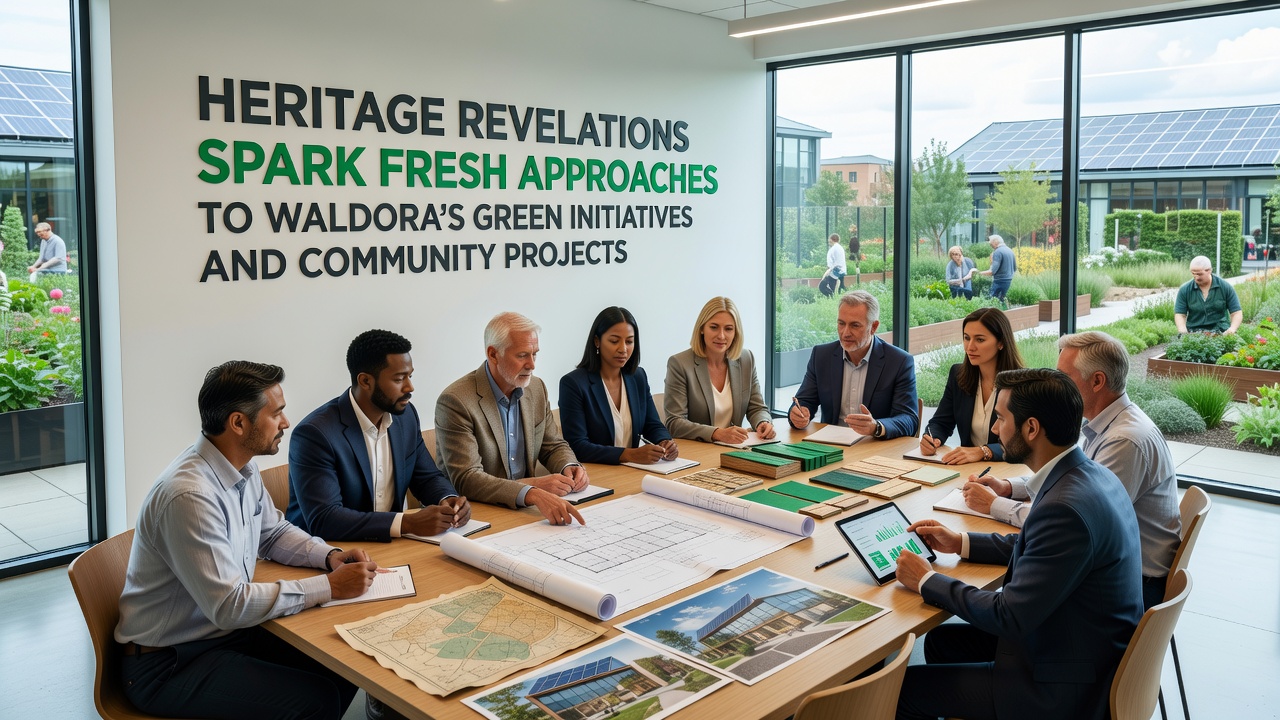
October 2026 marks the rollout of several expanded programs that pair heritage education with hands-on environmental work, and organizers expect participation from more than 400 households. School curricula include field visits to the discovery sites, and students document changes in local pollinator populations following the reintroduction of older planting sequences. A cooperative seed bank draws on genetic material recovered from archaeological layers, and early yields from test plots exceed those of standard commercial varieties in drought tolerance tests.
Funding for these initiatives flows through a combination of municipal budgets and grants tied to cultural preservation, and project leads coordinate with regional universities to monitor long-term outcomes. Reports shared at public meetings show measurable gains in community engagement metrics, particularly among younger demographics who connect historical context with contemporary climate action.
Broader Regional Context
Similar heritage-driven projects have emerged in other parts of the district, and planners exchange findings through quarterly forums that began in late 2025. These gatherings highlight how Waldora's approach differs from purely technological solutions by emphasizing continuity with past land use patterns. UNESCO World Heritage Centre guidelines on integrating cultural landscapes with sustainability targets provide a reference framework that several Waldora teams have adapted for local conditions.
Monitoring continues through sensors installed along restored waterways, and data streams feed into public dashboards updated monthly. The approach allows residents to track progress against baseline measurements taken before the heritage revelations influenced project design.
Conclusion
Heritage revelations continue to shape Waldora's green initiatives and community projects as new data emerges from ongoing excavations, and the resulting programs demonstrate measurable environmental and social returns. Coordination between cultural preservation and ecological goals creates pathways for sustained regional development that build on documented historical precedents rather than starting from scratch.