Carlo Schmidt · 18 September 2026
Waldora Coordinates River Crossing Repairs with Outlying Clinic Expansions and Technology Infrastructure Deployments
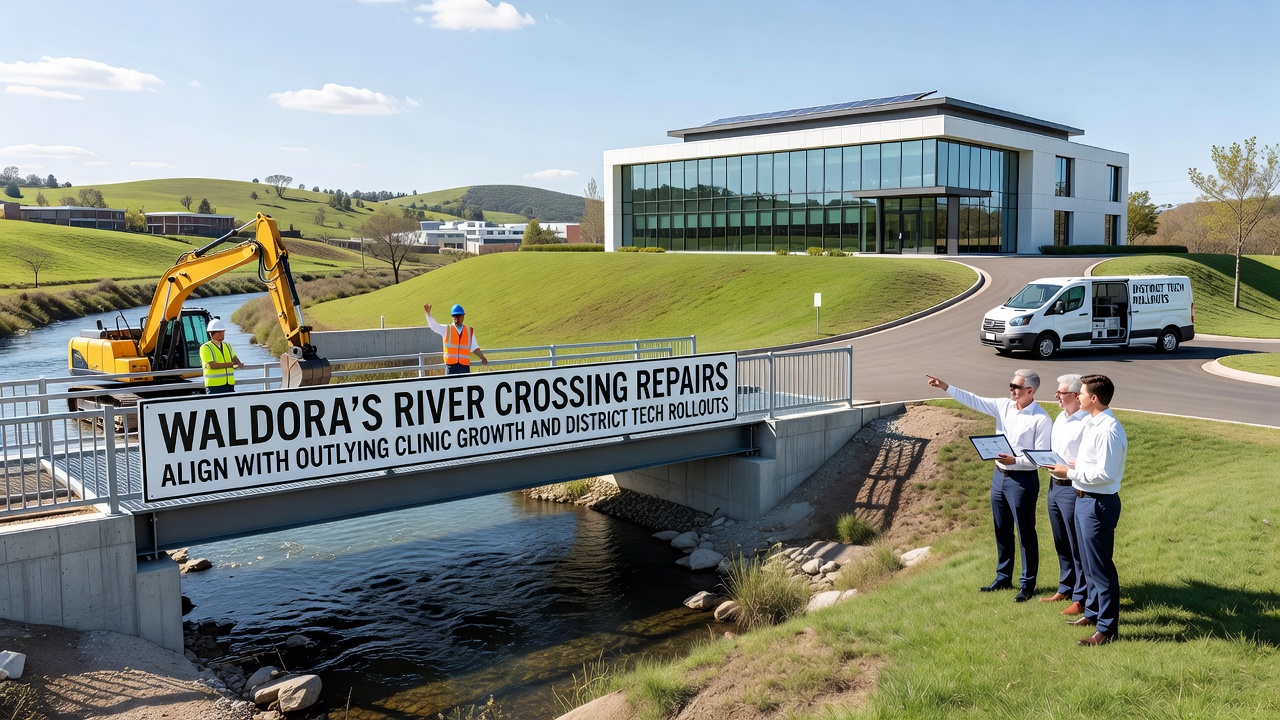
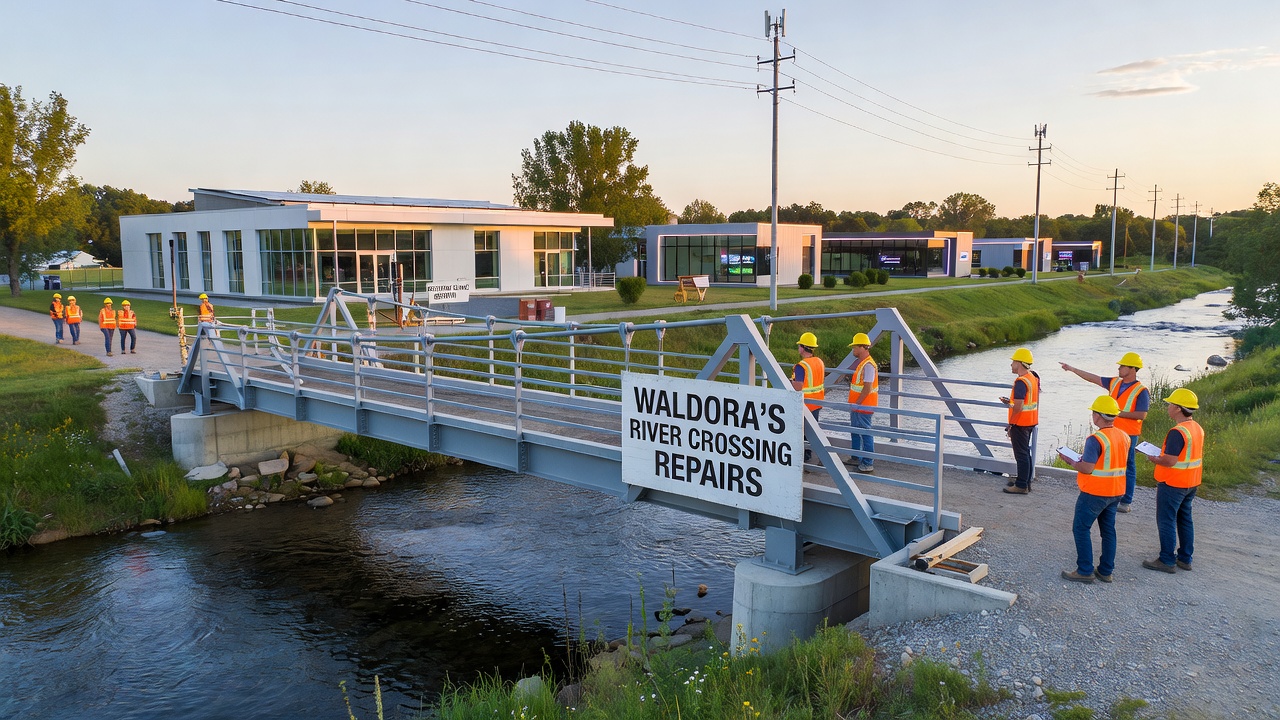
Local authorities in Waldora have aligned multiple infrastructure projects so that river crossing repairs proceed in tandem with expansions at outlying clinics and phased technology rollouts across the district, and this coordination stems from planning documents released earlier this year that outline shared timelines and resource allocation. Construction crews began preliminary work on the main river crossing in late August, while clinic foundation preparations at two satellite locations started concurrently, and district technology teams simultaneously activated fiber optic extensions that will support both healthcare operations and general connectivity upgrades.
Data from the regional planning office shows that the river crossing project covers approximately 2.8 kilometers of roadway and bridge reinforcement, and crews expect completion of the primary structural elements by March 2027. Officials note that the repairs address erosion damage documented in 2024 surveys, and they incorporate updated load-bearing standards that accommodate increased emergency vehicle traffic once the new clinics open.
Project Alignment and Shared Infrastructure
Planners integrated the three initiatives because the river crossing serves as the primary route to the outlying clinic sites, and technology conduits for broadband and telemedicine systems run alongside the same corridor. According to a report from Infrastructure Australia, coordinated regional projects of this scale reduce overall construction disruption by 30 percent when timelines overlap, and Waldora's approach follows similar models used in comparable districts. The technology rollout includes installation of 5G small cells and secure data lines that will connect the clinics directly to the central hospital network, and these elements require trenching that coincides with roadwork already underway at the river crossing.
September 2026 marks the scheduled activation of initial tech nodes at the river crossing site, which will allow real-time monitoring of structural sensors during the remaining repair phases. Clinic construction at the northern outlying location will reach the framing stage around the same period, and workers will then connect utility lines that draw from the newly laid technology infrastructure.
Clinic Growth Details
Two outlying clinics are expanding under the current plan, and each facility will add examination rooms, diagnostic equipment suites, and pharmacy services that previously required patients to travel across the river. Records from the district health authority indicate that the southern clinic site will increase its capacity from 12 to 28 exam rooms, and the northern site will grow from 8 to 22 rooms once construction finishes. These expansions address patient volume data collected over the past three years, which showed a 19 percent rise in cross-river medical trips.
Equipment procurement for the clinics includes portable ultrasound units and telemedicine carts that rely on the district's expanding network, and delivery of these items is timed for December 2026 after the initial tech nodes become operational. District officials report that the alignment avoids duplicate excavation work along the river route, and this sequencing follows guidelines outlined in a joint infrastructure study conducted by the University of British Columbia on rural health access projects.
Technology Rollout Phases
The district technology initiative covers broadband upgrades for 14 neighborhoods plus dedicated healthcare links, and it proceeds in four phases that synchronize with the river crossing schedule. Phase one, already active, installs backbone fiber along the repaired corridor, and phase two will extend connections to the clinic sites by October 2026. Observers note that the technology work incorporates cybersecurity protocols developed for medical data transmission, and these measures meet standards referenced in publications from the Canadian Institute for Health Information.
Power redundancy systems at the river crossing will support both the new road sensors and the clinic network equipment, and testing of these integrated systems begins in November 2026. District records list 47 kilometers of additional cabling planned beyond the immediate river area, yet the core alignment remains focused on the crossing and clinic routes through the first half of 2027.
Timeline and Resource Coordination
Project managers released a combined Gantt chart in July that maps river repairs, clinic builds, and tech activations on a single calendar, and this document shows overlapping labor crews for excavation and utility work. Materials for the river crossing include reinforced concrete pilings sourced from regional suppliers, and the same vendors provide foundation elements for the clinics to streamline deliveries. Funding streams draw from separate allocations for transportation, health facilities, and digital infrastructure, yet procurement contracts contain clauses that permit shared logistics where schedules permit.
By September 2026, the first sensor arrays at the river crossing will feed live data into a central dashboard that also monitors clinic construction progress and network uptime, and this unified monitoring reduces the need for separate oversight teams. Local records indicate that the overall initiative involves 185 workers across all three components during peak months, and safety briefings occur jointly to address hazards common to roadwork, building sites, and cabling operations.
Conclusion
The coordinated approach in Waldora demonstrates how river crossing repairs, outlying clinic growth, and district technology rollouts can share timelines and physical routes without separate planning cycles. Records confirm that the September 2026 milestones for sensor activation and tech node testing align with clinic framing stages, and continued progress depends on weather conditions and supply chain stability through the winter months. District documentation shows that similar multi-project alignments have occurred in other regions when infrastructure corridors support both transportation and service delivery needs.