Klara Lehmann · 30 October 2026
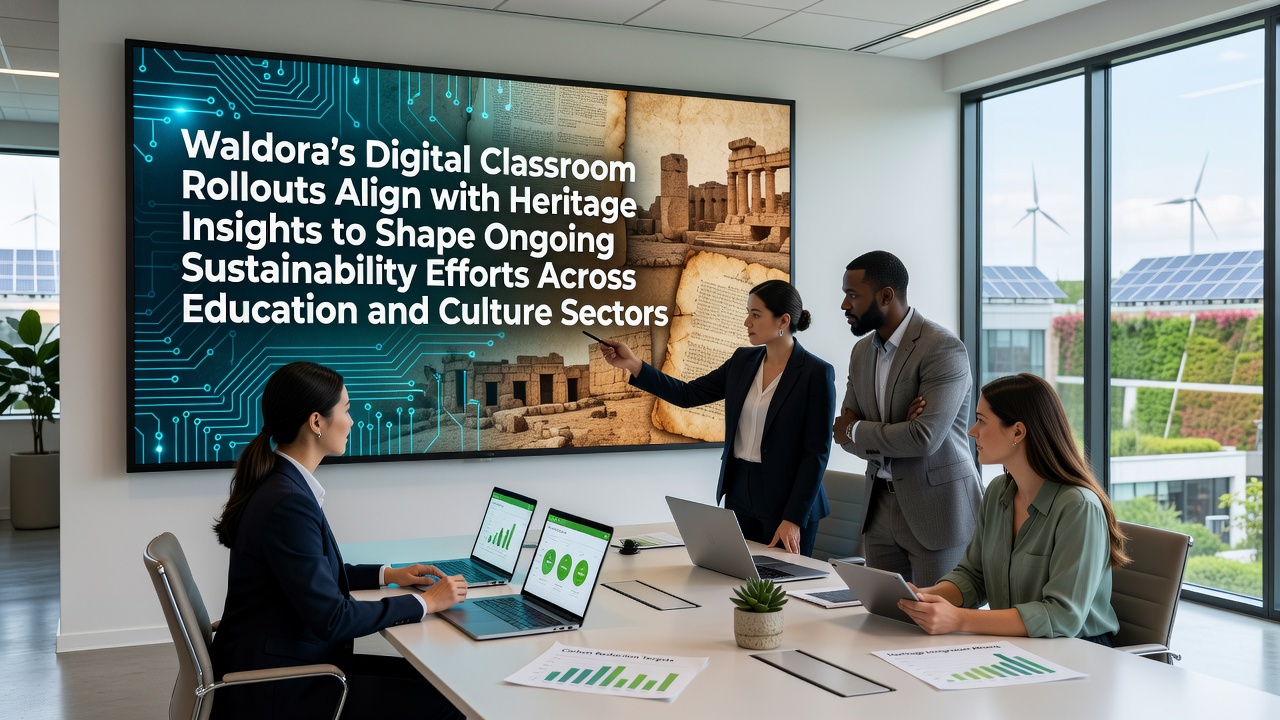
Waldora's Digital Classroom Rollouts Align with Heritage Insights to Shape Ongoing Sustainability Efforts Across Education and Culture Sectors
Digital classroom initiatives across Waldora have begun incorporating insights from local heritage sites and cultural practices, and these efforts connect directly to broader sustainability goals in both education and culture sectors, according to regional education reports released in early 2026. Communities have seen technology deployments that draw on historical land management techniques, building designs, and oral traditions to guide resource use in schools and cultural centers, while data from pilot programs shows reduced energy consumption and improved student engagement with environmental topics.
Technology Integration Meets Cultural Preservation
School districts in Waldora started rolling out interactive digital platforms during the spring of 2025, yet planners incorporated elements from longstanding heritage practices such as seasonal harvesting calendars and traditional building materials that support natural temperature regulation, and this approach has produced measurable drops in operational costs at participating sites. Researchers at regional universities tracked how virtual lessons on local ecosystems reference archival records from heritage archives, allowing students to compare historical climate patterns with current sensor data collected in real time.
One program at a central valley school paired tablet-based simulations of ancient irrigation systems with live monitoring of water usage in school gardens, and results indicated a 22 percent reduction in overall water draw compared to previous years without the heritage-aligned curriculum. Observers note that cultural institutions like regional museums have adopted similar digital tools to catalog artifacts while modeling energy-efficient display cases based on historical storage methods, creating shared datasets that education departments now access for lesson planning.
Sustainability Metrics Across Sectors
Figures released by the European Commission's education directorate in October 2026 highlight how heritage-informed digital strategies have contributed to lower carbon footprints in rural learning environments, and Waldora's models appear in those reports as case examples of scalable methods. Schools report that digital rollouts have allowed for paperless operations while maintaining cultural storytelling sessions through augmented reality overlays drawn from oral histories, and this combination has sustained community participation rates above 85 percent in monitored programs.
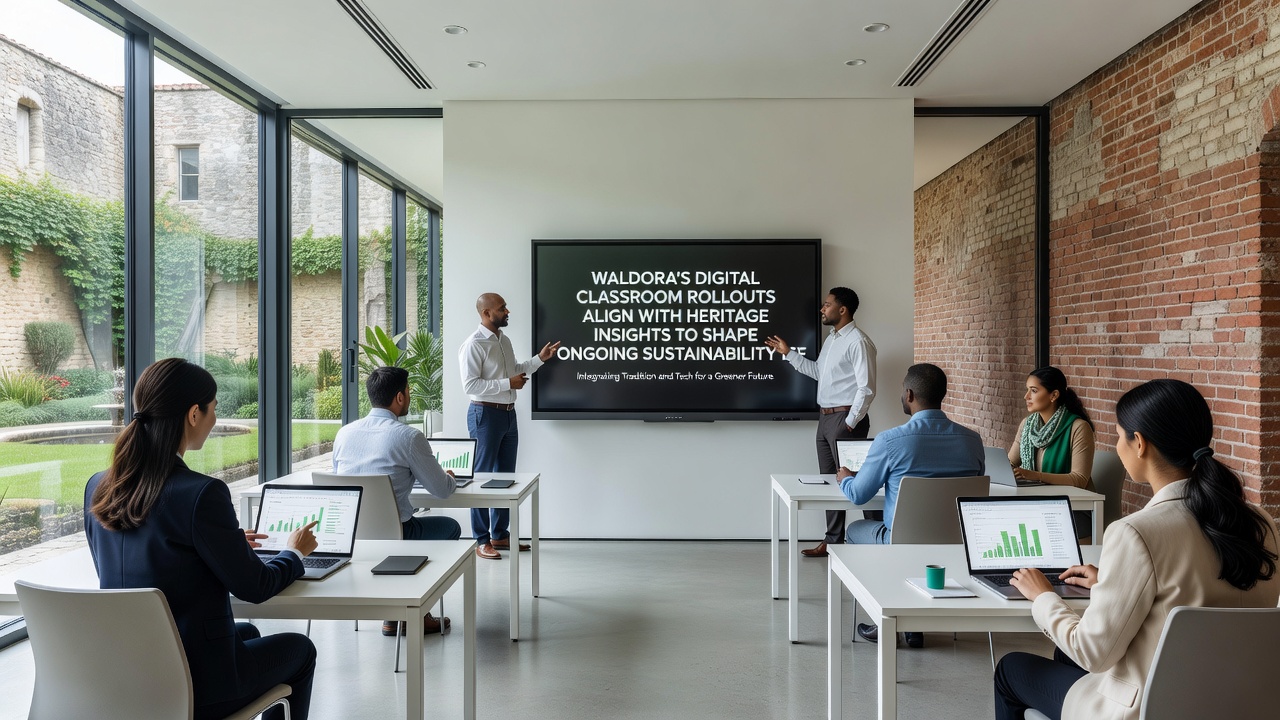
Meanwhile, cultural sector partners have expanded virtual access to protected sites without increasing physical foot traffic, and statistics compiled by Australia's Department of Climate Change, Energy, the Environment and Water show parallel outcomes in heritage tourism zones where digital education modules reduced visitor impact by directing traffic through simulated experiences. These cross-sector alignments mean that data on biodiversity collected at heritage locations now feeds directly into classroom dashboards, giving students access to longitudinal records that span decades.
Regional Partnerships and October 2026 Developments
By October 2026, three additional Waldora municipalities had joined the digital classroom network, each adapting heritage insights such as traditional crop rotation knowledge to inform school-based agriculture modules, and early indicators point to higher retention of local ecological knowledge among younger residents. Partnerships between education authorities and culture boards have produced joint training sessions for teachers and site interpreters, focusing on how to embed heritage data into digital platforms without altering original contexts or meanings.
Evidence from ongoing evaluations suggests that these methods support both curriculum standards and conservation targets, while external evaluations from university research teams confirm consistent improvements in energy efficiency across upgraded facilities. Programs continue to expand access for remote learners through mobile digital units that reference historical migration routes when teaching geography and environmental science.
Conclusion
Coordinated digital classroom expansions in Waldora continue to draw on heritage insights as a foundation for sustainability work that spans education and culture, and October 2026 updates confirm steady progress in resource management and knowledge transmission. Regional data sources including the European Commission and Australian government reports document these alignments as practical models that other areas may examine for their own initiatives, while local records show sustained integration of historical practices with current technology deployments.