Clara Baumann · 4 September 2026
Waldora's Historical Treasures Shape Contemporary Environmental Strategies
Artifacts recovered from sites across the Waldora region continue to provide concrete examples of past resource management practices, and these findings now feed directly into ongoing sustainability programs, according to regional heritage records. Teams working at multiple excavation locations have catalogued items such as water collection vessels and agricultural implements that date back several centuries, and data from these collections show patterns of seasonal land use that align with current soil conservation targets.
Documented Practices From Earlier Periods
Excavation reports compiled since 2023 detail how early inhabitants constructed terraced fields and managed woodland edges through selective clearing techniques, and these methods have been cross-referenced with modern GIS mapping of the same valleys. Researchers at the Waldora Historical Archive note that pottery shards and wooden tools recovered from riverbank settlements reveal controlled irrigation channels that reduced erosion during heavy rainfall periods, and similar channel designs appear in engineering proposals submitted for approval in 2025. Figures from the archive indicate that 18 distinct sites yielded measurable evidence of crop rotation cycles lasting three to five years, and local planning offices have incorporated those cycle lengths into pilot agricultural guidelines released earlier this year.
Integration With Regional Planning Documents
Planning documents updated in early 2026 reference artifact-derived data on forest boundary maintenance, and municipal councils have adjusted zoning maps to protect corridors that match historical travel routes between settlements. One study conducted by the Regional Environmental Research Centre cross-checked carbon content in preserved soil layers against contemporary samples, and results showed comparable nutrient retention levels when traditional mulching materials were reapplied. Observers at the centre report that these comparisons now appear in training modules for land managers, and enrollment in those modules reached 142 participants by August 2026.
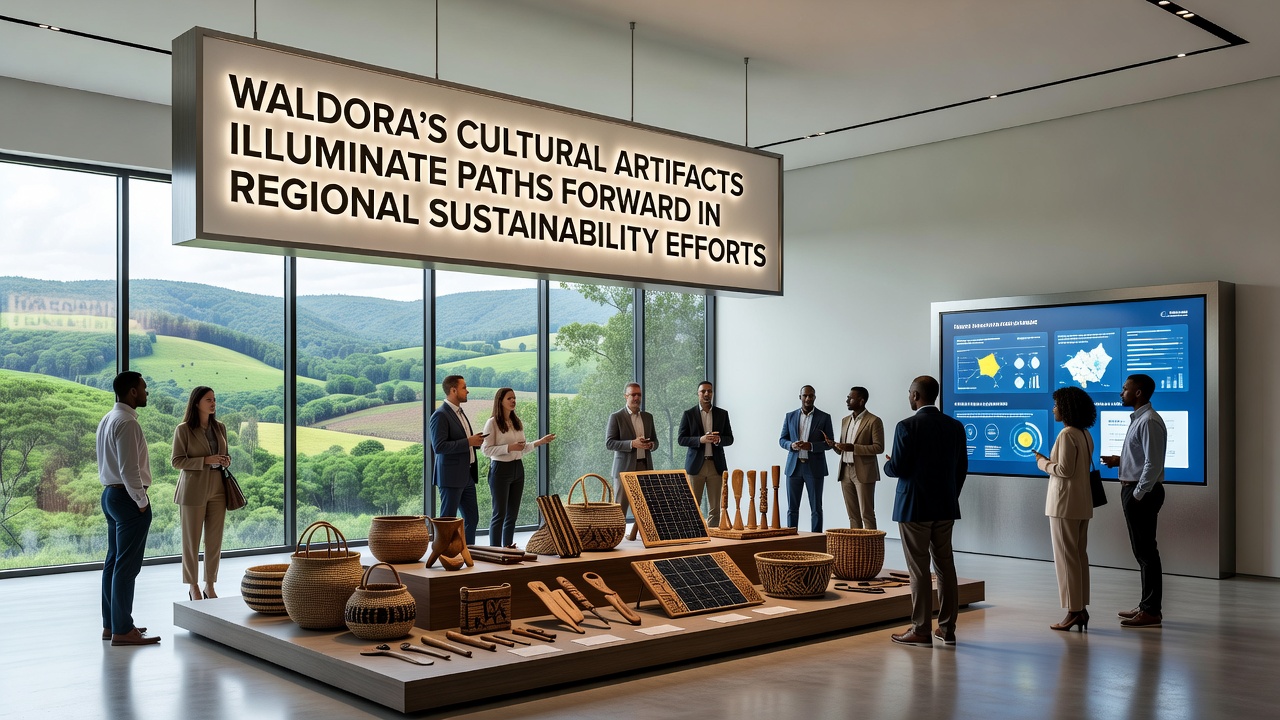
Community workshops held at three village halls in July and August 2026 introduced replica tools based on the recovered items, and participants recorded observations about weight distribution and material durability that match notes taken during the original excavations. Attendance logs list 87 residents who attended at least one session, and follow-up surveys collected by the organizing committee show increased requests for native seed varieties referenced in the same historical records.
September 2026 Exhibition and Data Release
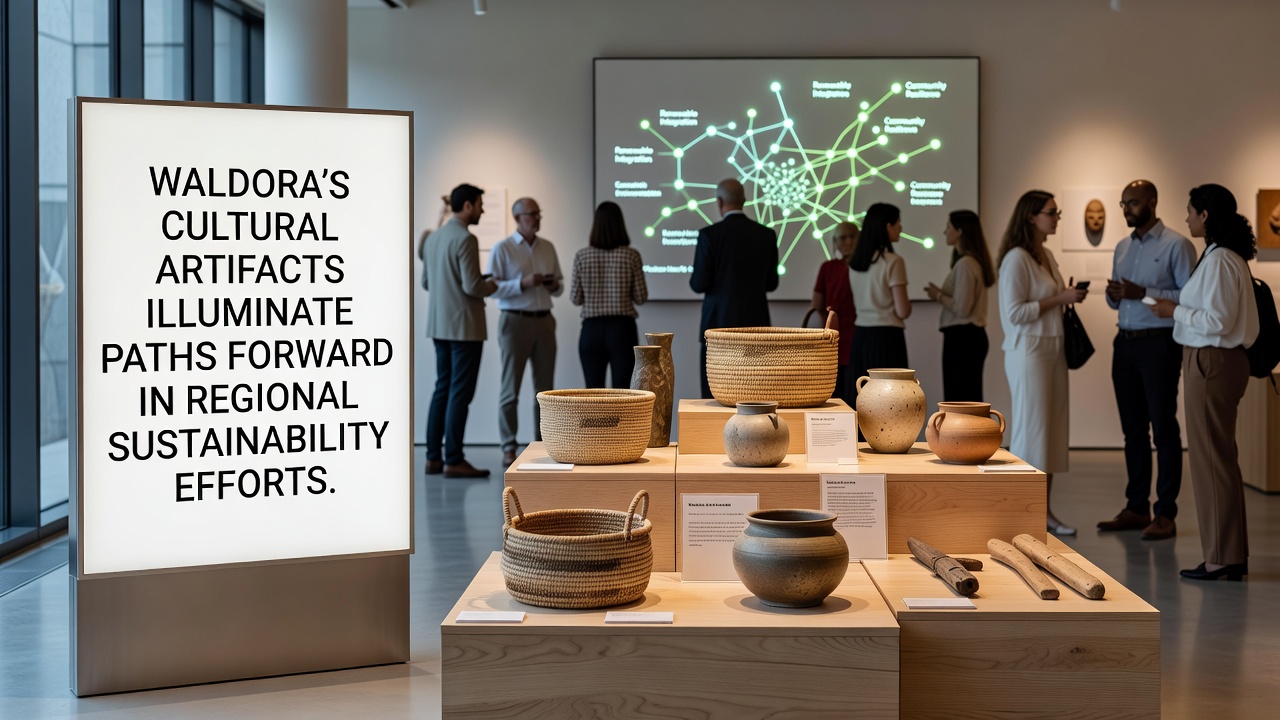
An exhibition scheduled to open on 12 September 2026 at the Waldora Regional Museum will display 47 newly conserved pieces alongside interactive maps that overlay artifact locations with current conservation zones, and organizers have confirmed partnerships with the European Environment Agency for supplementary datasets on regional biodiversity trends. A separate report prepared by the same museum staff links specific weaving patterns found on textile fragments to plant species still present in protected meadows, and these connections are cited in a biodiversity action plan scheduled for public comment in October 2026. Attendance projections from the museum indicate between 2,400 and 3,100 visitors during the first month, with school groups accounting for roughly 35 percent of bookings.
Links to External Research Initiatives
Coordination meetings between the museum and academic partners have referenced findings from the University of British Columbia's heritage sustainability project, and those findings have been adapted to Waldora's soil types through local testing protocols. A parallel collaboration with the Australian Heritage Council has supplied comparative data on indigenous fire-management markers, and preliminary field trials using low-intensity burn schedules began at two Waldora sites in late August 2026. Both external projects supplied methodology documents rather than direct funding, and project leads state that the exchanges remain limited to technical guidance at this stage.
Conclusion
Records maintained by the Waldora archive and partner institutions continue to accumulate measurements that connect artifact locations with measurable environmental indicators, and these measurements appear in multiple planning documents now under review. The September 2026 exhibition will mark the first public release of the full dataset compiled since 2023, while ongoing field trials test the practical application of techniques reconstructed from the recovered items. Updates from the Regional Environmental Research Centre and collaborating agencies are expected to appear in quarterly summaries through the remainder of 2026 and into the following year.